Maximize conversion value based on customer LTV
Most e-commerce brands are trapped in a "blind spot" of optimizing their Meta (and/or Google!) campaigns based on the immediate value of a transaction. E.g if a new customer spends $5 and a returning customer spends $20, standard tracking tells the platform that the purchase made by the returning customer is four times more valuable.
In reality, the opposite is often true. This traditional approach ignores the long-term potential of a new acquisition, leading to inefficient bidding and missed growth opportunities.
The technical bridge: Littledata & server-side tracking
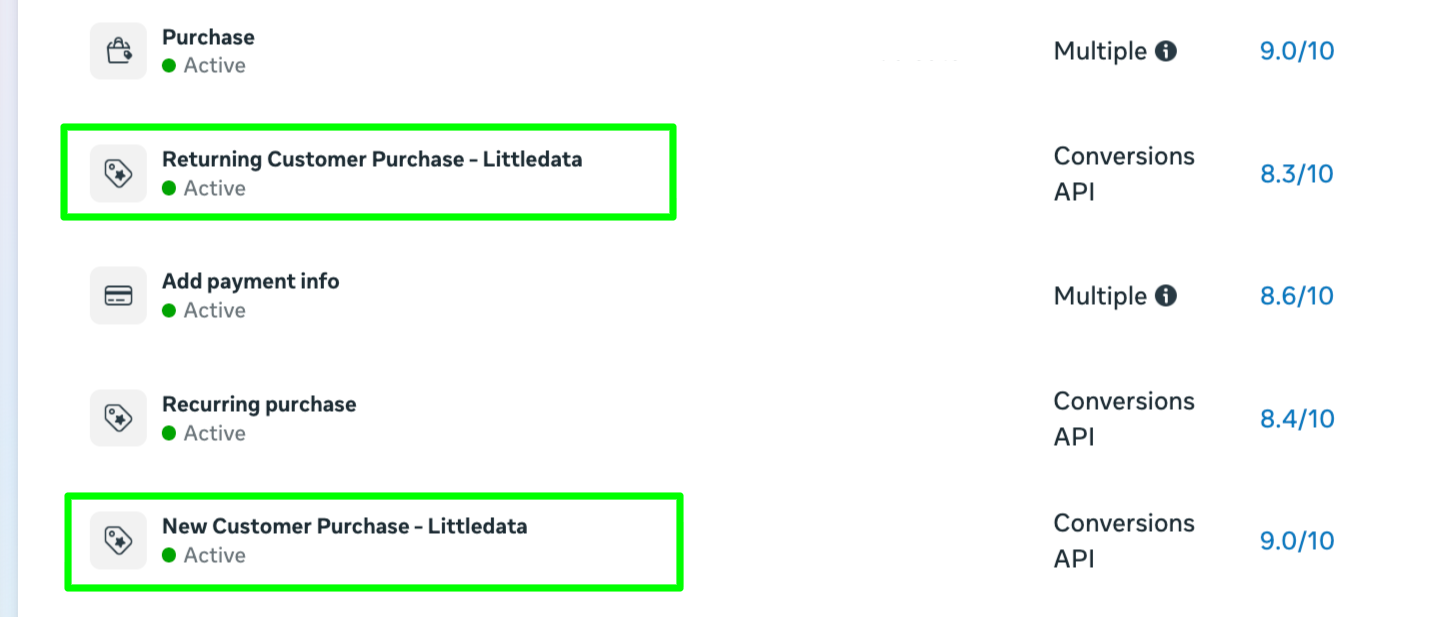
To fix this, you need to provide the advertising platform with better "insider information". Littledata bridges this gap by sending more than just a "vanilla" purchase event. Using Shopify server-side data, it identifies the customer's history and fires two additional events:
New Customer Purchase: fired when a user makes their first-ever purchase.
Returning Customer Purchase: fired for every subsequent order.
Because this happens server-side, it uses Enhanced Conversions (Google) or the Conversions API (Meta) to stitch the hashed email from a Shopify order with the platform-obtained email (hashed, ofcourse). This ensures 100% accuracy in identifying whether that customer interacted with your ads, regardless of cookie restrictions.
This is how these event appear in Meta events manager:
and this is from Google's Goals (aka conversions) section:

Programming the campaigns
Once these events are flowing, you can stop relying on the "raw" order value and start assigning manual value for each new customer based on your brand's actual data.
Example:
You know that a new customer, over their entire lifespan with your brand, is worth $600 (LTV). Meanwhile, a repeat purchase from an existing customer brings in an average of $100.
By manually assigning these values to the respective events in your account, and using the "Maximize conversion value" strategy - you are explicitly instructing the platform's algorithm on the relative worth of these users.
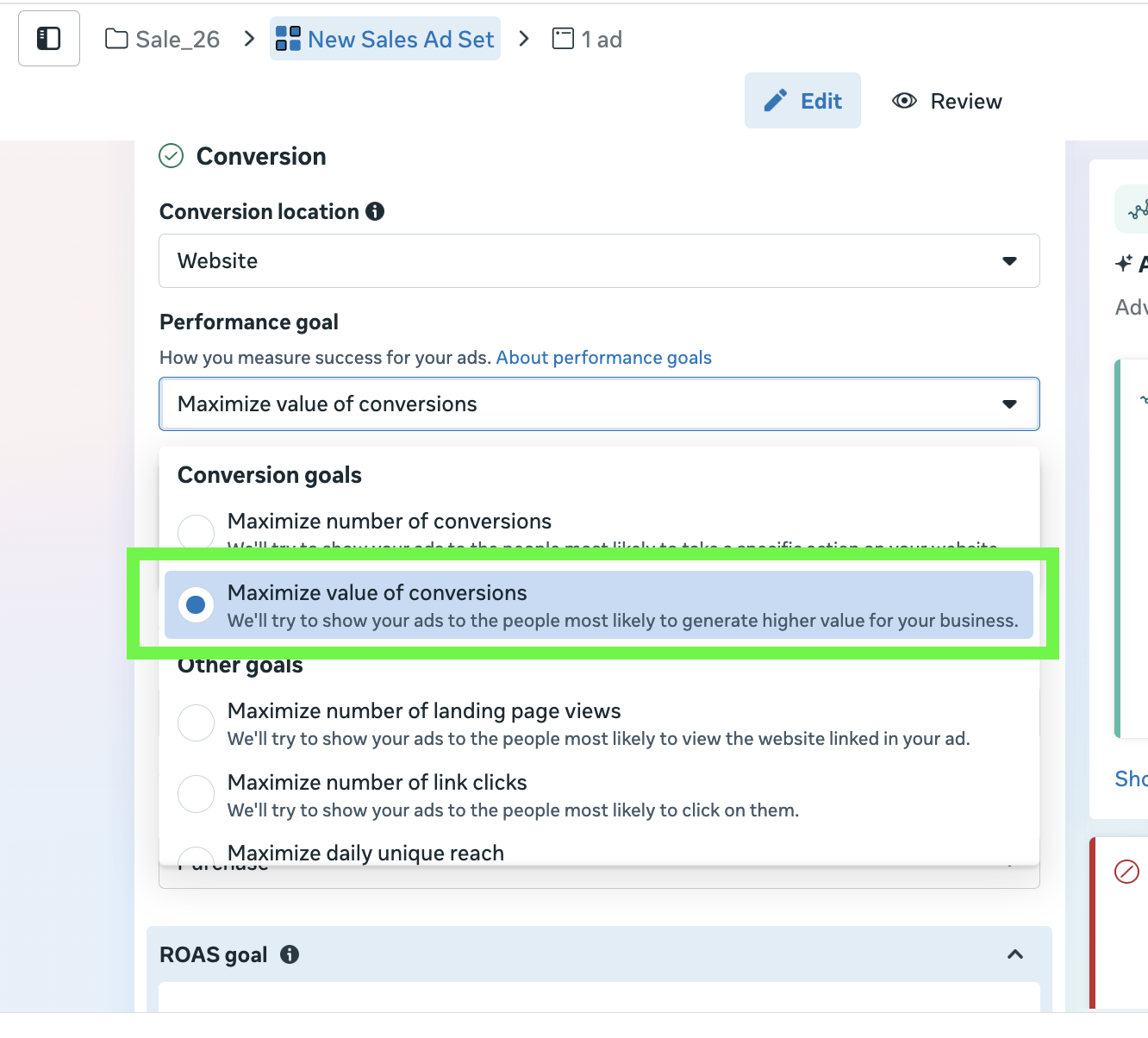
In the screenshot above we can see that this setup in Meta is chosen on the Ad set level, whereas in Google it's a campaign-level setting:
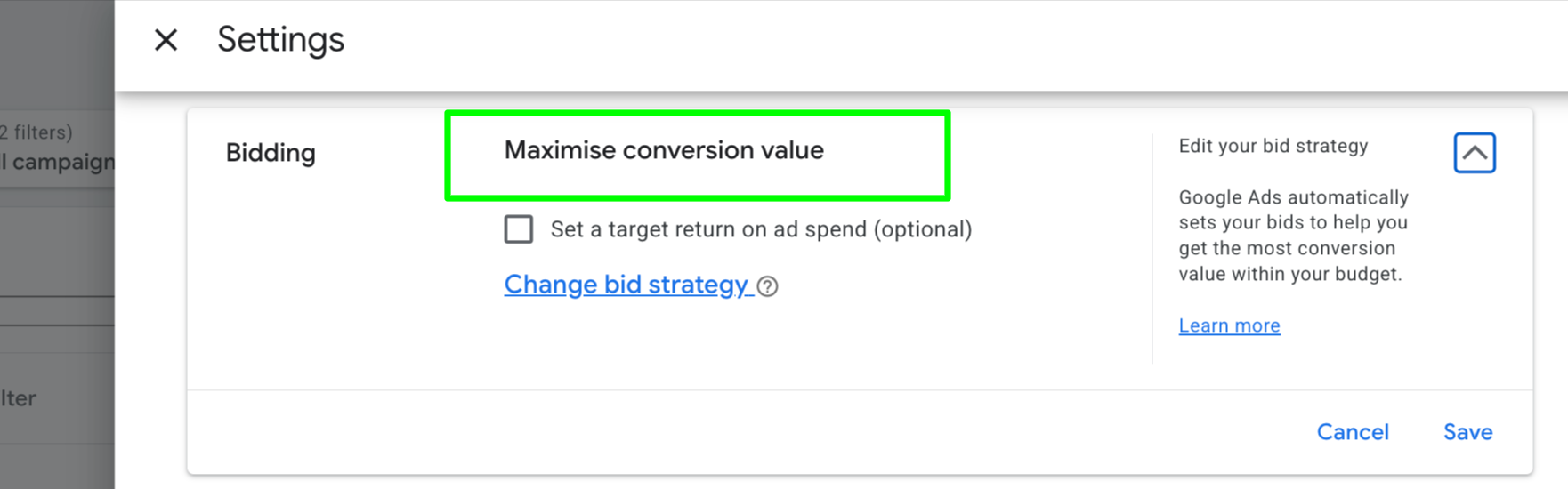
By using this setup - you are telling the "Maximize Conversion Value" strategy that each new customer is worth six repeat purchases.
Training your ads for growth
This setup fundamentally changes how your budget is managed. Instead of the platform hunting for the "cheapest" immediate sale, it uses the 6:1 ratio (from the previous example) to:
-
Prioritize high lifetime-value users by bidding more aggressively for a user that has never bought before because it sees a $600 opportunity.
-
Optimize ads by “seeing” which combination of hooks and creatives is actually driving long-term growth versus one-off discount hunters.
-
Balance the budget to find the optimal mix of new acquisitions and repeat sales based on the value you've defined.
Conclusion: Playing the Long Game
This approach shifts the role of the E-commerce Manager from adjusting manual bids to defining customer worth. Without the specific distinction between new and returning events provided by Littledata, this level of optimization isn't possible.
The bottom line is simple: your campaign is only as smart as the values you feed it. By programming the ratio of new versus returning customer worth, you move past the "one-off" order value race and start playing the long-term game to outsmart your competitors.